
Saskatoon firm selected to develop rapid zebra mussel test
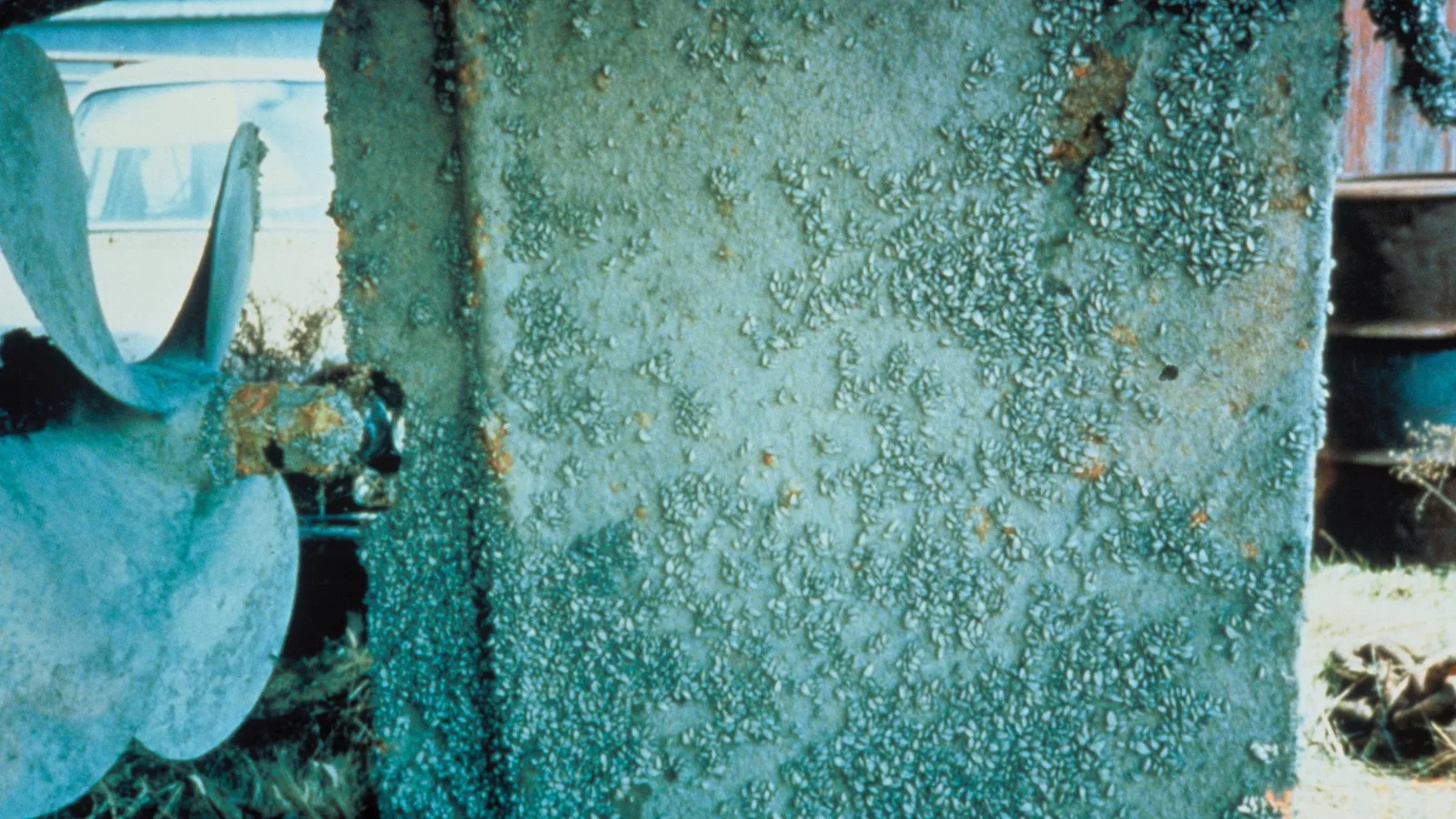
Saskatoon biotechnology company PathoScan has been selected to develop a rapid zebra mussel test, winning the Aquatic Invasive Species Innovation Challenge. Innovation Saskatchewan and the Ministry of Environment announced the result November 3.
Zebra mussel monitoring in Saskatchewan now relies mainly on physical inspections and lab testing. According to the province, that can make early detection difficult.
PathoScan plans to adapt its PathoBox platform, first built to detect crop diseases. The test is meant to pick up genetic material the mussels release. The release says it can find larvae and mussels in hard-to-reach spots that visual checks may miss.
Inspectors and conservation officers would sample water from watercraft and roadside inspection stations. The release says results would come back on site in one to two hours.
PathoScan will get $30,000 and a 16-week residency with the Ministry of Environment. The work is meant to validate the technology further and prepare it for future operational use. The company received $75,000 from the Agtech Growth Fund in 2024, which helped develop its crop disease detection platform.
“Early detection can make all the difference when it comes to preventing the spread of zebra mussels,” Environment Minister Darlene Rowden said.
PathoScan chief operating officer Ethan Done said the company wants to show how the rapid molecular testing can support invasive species detection and validate the technology for broader use.